The short answer
In this article
01
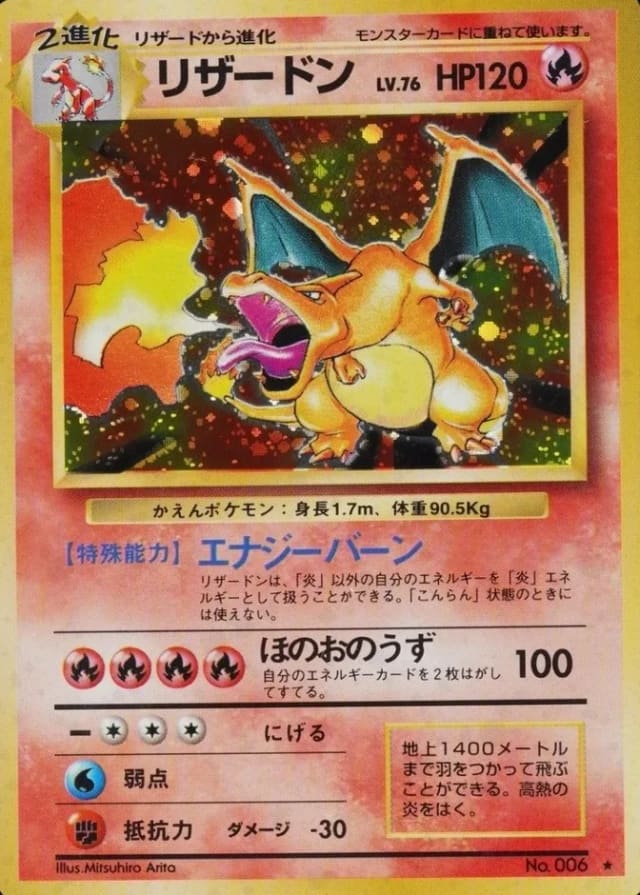
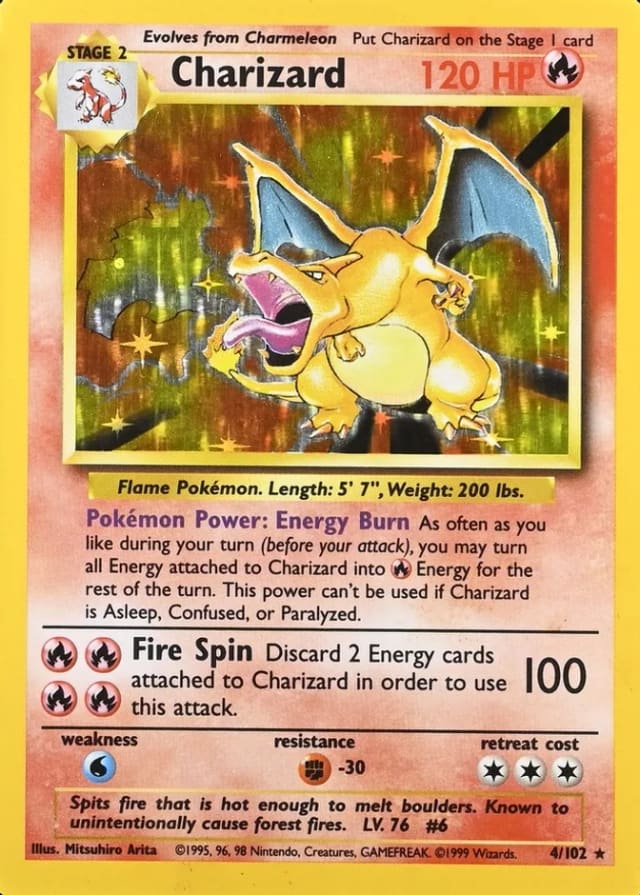
What is different about the cards
| Japanese | English | |
|---|---|---|
| Release | First. The game launched in Japan in 1996. | Later. The English Base Set followed in 1999. |
| Card back | The original Pocket Monsters back until 2001, then a redesigned back. | One back design since 1999. |
| Print quality | Generally cleaner cutting and centering. | More variable, most of all in the early years. |
| Sets | Smaller sets released more often. | Larger sets that often combine several Japanese releases. |
The artwork is usually shared, so the same illustration exists in both languages as two separate cards with separate print runs.
02
Gem rate and population
Because Japanese cards tend to leave the factory in better condition, a larger share of them grade a 10. A higher gem rate means the 10 is less scarce against the 9, and the PSA 10 premium on a Japanese card is often narrower than on its English counterpart. For vintage English holos, where a 10 is hard to get, the premium can be very wide.
03
Which is worth more
There is no rule, only tendencies. English cards are collected by a larger audience, and vintage English 1st Edition holos in high grade are among the most expensive cards in the hobby. Japanese cards lead where the card exists only in Japanese or was released there in a more limited way.
The only reliable answer is the sales of the exact card in the exact language at your grade. A Japanese sale is not a comp for an English card, or the reverse. How much is my graded card worth? sets out the method.
04
Cards that exist only in Japanese
Many of the rarest Pokémon cards were never printed in English: tournament trophy cards, magazine and contest promos such as the Pikachu Illustrator, vending machine series and regional campaign cards. For these the Japanese market is the whole market, and populations can be counted in dozens or fewer.
05
How Assetra treats language
Each language is a separate card with its own page, sales ledger, population and market cap. Japanese sets are listed under their own names, and a set page can be filtered by language where a set was printed in more than one. Browse both from the Pokémon price hub or the set rankings.
About this article
Written and checked by Assetra. Prices and populations come from completed sales and the graders’ population reports as recorded in Assetra’s ledger; see how Assetra builds its figures. Spotted a mistake? Tell us.