The short answer
In this article
01
The sum
Grading is worth it when the expected graded price, less every cost, is higher than what the card sells for raw. The expected graded price is not the PSA 10 price. It is each possible grade’s price weighted by the chance your card gets that grade.
02
1. Find the graded prices
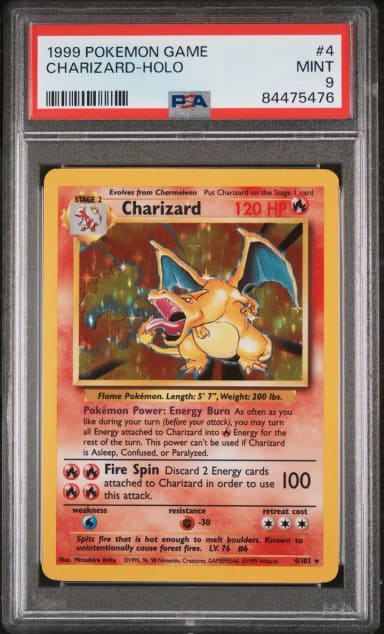
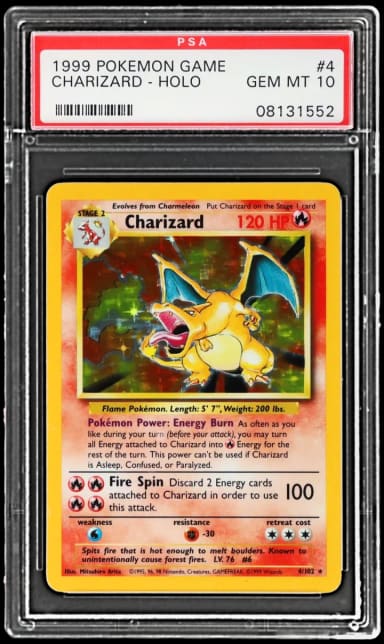
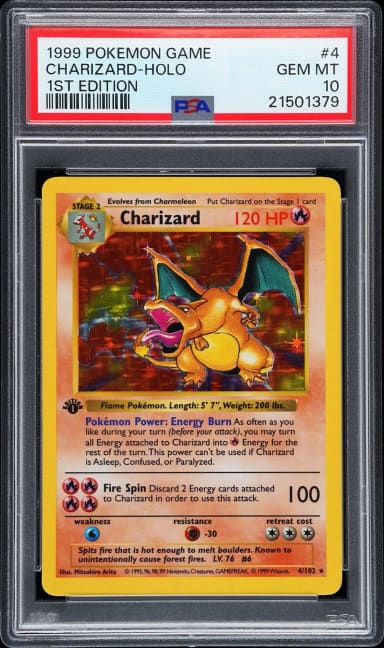
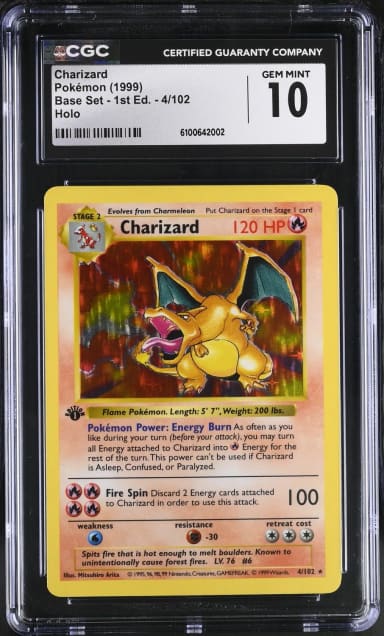
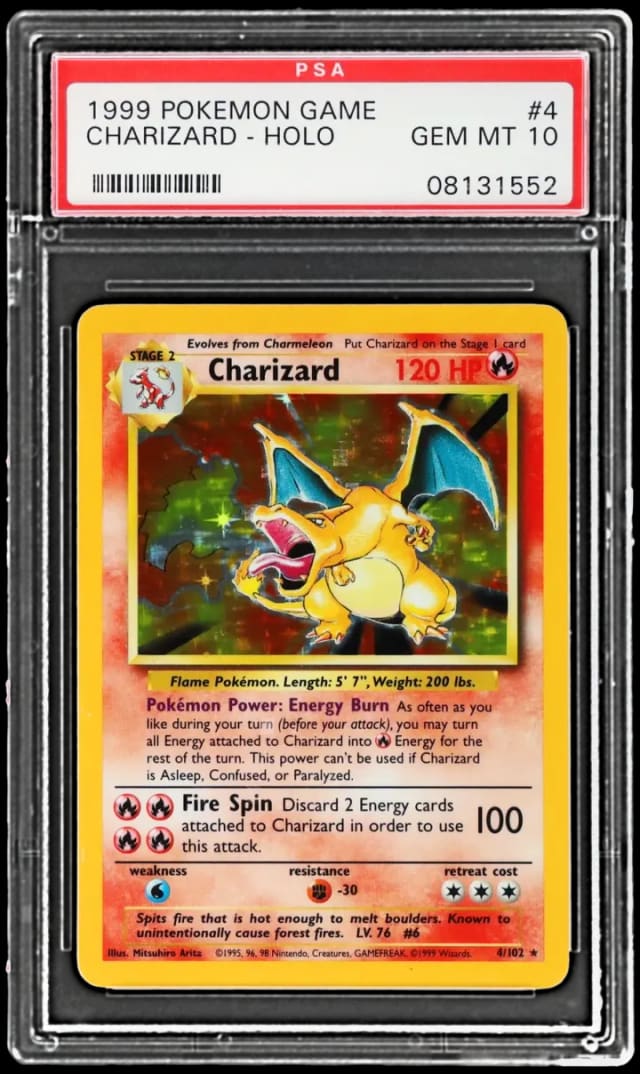
Look up the completed sales of the exact card in a PSA 10, a PSA 9 and a PSA 8. For many modern cards a PSA 9 sells for about the same as a clean raw copy, and anything lower sells for less than the cost of grading it. If that is the case, the whole return rests on the 10. PSA 9 vs PSA 10 explains why the step is so large.
03
2. Judge the odds
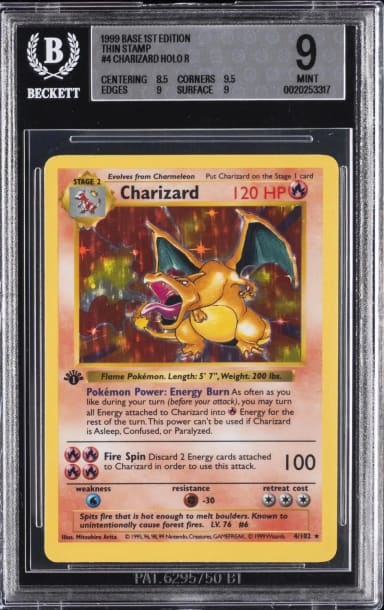
The gem rate on the card’s page is the share of graded copies that came back a 10. It is a ceiling more than a forecast, because the copies people send in are already the best they have. Then examine your own card under a strong light: the centering front and back, all four corners, the edges, and the surface for print lines, scratches and dents. One visible flaw usually means a 9 at best.
04
3. Subtract the costs
| Cost | What to remember |
|---|---|
| Grading fee | Charged per card, and the tier you must use rises with the card’s declared value. |
| Postage and insurance | Both ways, and more for a parcel worth insuring. |
| Selling fees | A marketplace takes its share of the graded sale as well. |
| Time | Weeks or months, during which the price of the card can move. |
05
When it tends to pay, and when it does not
It tends to pay for vintage cards in strong condition, where even a middle grade sells for more than a raw copy because the slab proves the card is genuine and unaltered. It tends to pay for modern chase cards when the copy is clean enough for a real chance at a 10.
It rarely pays for inexpensive modern cards, for cards with a flaw you can already see, or for cards where so many 10s exist that the 10 sells for little more than the fee.
06
Reasons other than price
A slab protects the card, settles the question of authenticity, and makes it easier to sell to a buyer who cannot inspect it. Those are fair reasons to grade a card you intend to keep, whatever the sum says. Which company to use is covered in PSA vs BGS vs CGC.
About this article
Written and checked by Assetra. Prices and populations come from completed sales and the graders’ population reports as recorded in Assetra’s ledger; see how Assetra builds its figures. Spotted a mistake? Tell us.